Case study: assembling a Non-B visa and work permit file that clears on the first submission
A work permit in Thailand normally requires a Non-Immigrant B visa first. The employer prepares corporate records and evidence of the genuine need to hire, while the employee supplies degrees and employment references that have been translated and certified. The file is then lodged with the Department of Employment, and the stay is extended at the Immigration Bureau. Two to six weeks is typical, depending on how complete the company records are.
Who this is for: Companies in Thailand hiring foreign staff, and foreign professionals starting work in Thailand.
Reviewed by our advisory team (15+ years combined experience) · Last updated
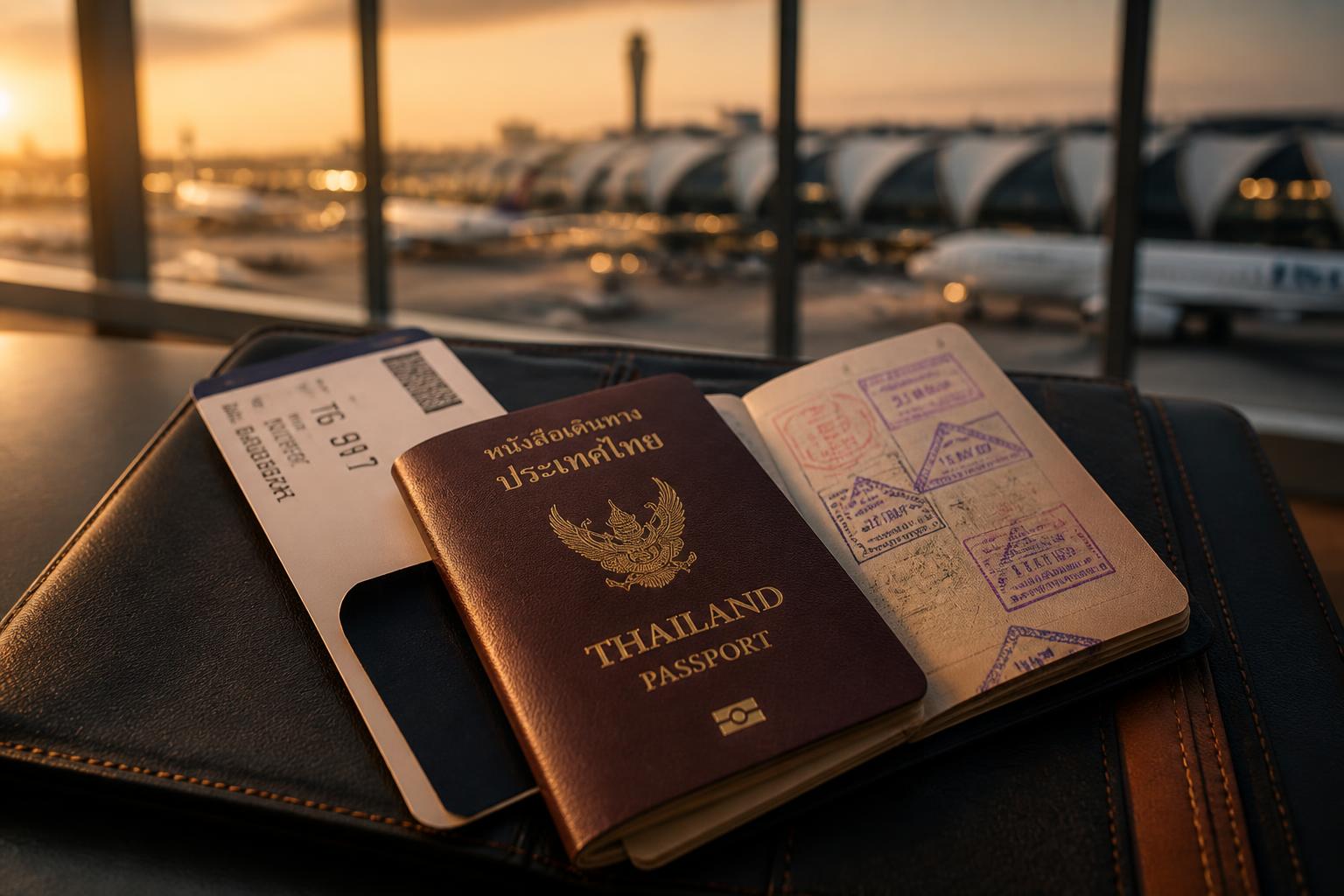
Key facts
| Visa required first | Non-Immigrant B, or another category that permits employment |
|---|---|
| Work permit authority | Department of Employment, Ministry of Labour |
| Stay and extension authority | Immigration Bureau |
| Foreign documents | Must be translated into Thai or English and certified as the authority requires |
| Typical duration | 2–6 weeks, driven mainly by the state of the company's records |
Documents you need
- Current company affidavit, shareholder list and VAT registration certificate
- Latest financial statements and proof of social security contributions for existing staff
- Employment contract stating the position, duties and place of work
- Employee's passport with the visa page and departure card
- Degree certificate and academic transcript, translated and certified
- Employment reference letters from previous employers
- Medical certificate in the form the authority prescribes
Step-by-step process
1. Check the company and the role
We review registered capital, the Thai-to-foreign staff ratio and whether the role falls within occupations closed to foreign nationals before anything is filed.
Handled by: Advisory team · Typical time: 1–3 working days
2. Refresh the corporate records
A newly issued affidavit is ordered from the Department of Business Development and filed together with the financial and tax documents.
Handled by: Employer · Typical time: 2–5 working days
3. Translate and certify foreign credentials
Degrees and reference letters are translated and certified so the institution name and graduation year match every other document in the file.
Handled by: Translation team · Typical time: 2–4 working days
4. Lodge the work permit application
The combined company and employee set is submitted to the Department of Employment.
Handled by: Department of Employment · Typical time: 3–10 working days
5. Handle the stay
The extension of stay is applied for and the residence notification is filed within the statutory window.
Handled by: Immigration Bureau · Typical time: One day to several weeks, depending on the application type
Common reasons files are rejected
- Using a company affidavit older than the authority accepts.
- A job title in the employment contract that does not match the title on the work permit application.
- Foreign degrees that were never certified in the form the authority requires.
- Missing the residence notification deadline, which surfaces later at extension time.
- Starting work before the permit is issued — a legal exposure for both the employer and the employee.
Comparing the available routes
| Option | Use when | Typical time | Note |
|---|---|---|---|
| Standard Department of Employment filing | An ordinary company that meets the criteria | 2–6 weeks | The route used in most cases |
| Investment-promotion channel | The company holds investment promotion privileges | Faster than the standard route | Only within the rights and conditions granted |
| Another work-eligible visa category | The applicant qualifies for a special category | Depends on the category | The employment conditions of that category must be checked first |
Frequently asked questions
Do I need the visa before the work permit, or the other way round?
In general practice you need a visa that permits employment first — normally Non-Immigrant B — and then apply for the work permit. Entering under a tourist visa exemption and applying immediately usually fails, and often means leaving Thailand to obtain the correct visa at a Thai embassy abroad before restarting.
How must a foreign degree be certified?
It normally has to be translated into Thai or English with a certificate of accuracy, and in many cases legalised by the embassy of the issuing country or the relevant authority. Officers compare the institution name and graduation year against the rest of the file, so any inconsistency in the translation causes a return.
How long does the whole process take?
Two to six weeks is realistic when company records are current. Delays almost always come from the employer's side — an outdated affidavit, missing financial statements or unfiled social security documents — rather than from the employee's credentials, which is why we audit the corporate set first.
Can my family come with me?
Dependants generally apply for the matching Non-Immigrant O category, supported by marriage and birth certificates that must themselves be translated and legalised. Preparing the family documents in parallel with the main file avoids a second round of certification later.
What happens if I change employer?
The work permit is tied to the employer and the stated role, so a change requires a new application and, in most cases, an amendment to the permission of stay. Do not begin work with the new employer before that is completed — the risk falls on both parties.
Can you manage the whole file for us?
Yes. We audit the company records, translate and certify credentials, prepare the submission set and attend the Department of Employment and Immigration steps. Beyond processing, our team advises on structuring the role and the paperwork so the file clears the first time — the outcome of more than 15 years of handling these submissions.
ปรึกษาทีมงานก่อนเริ่มดำเนินการ
ทีมงานของเรามีประสบการณ์มากกว่า 15 ปีในงานแปล รับรองเอกสาร และการยื่นต่อหน่วยงานราชการทั้งในและต่างประเทศ เราให้คำปรึกษาตั้งแต่การเลือกเส้นทางรับรองที่ถูกต้อง การจัดลำดับเอกสาร ไปจนถึงการแก้ไขเคสที่เคยถูกตีกลับ
- ประเมินเคสก่อนเริ่มงาน เพื่อบอกได้ว่าเอกสารชุดใดจำเป็นจริง และชุดใดไม่ต้องทำ
- วางลำดับขั้นตอนให้ถูกต้องตั้งแต่ต้น ลดความเสี่ยงถูกตีกลับและต้องเริ่มใหม่
- อธิบายข้อกำหนดของปลายทาง (สถานทูต หน่วยงาน หรือหน่วยงานต่างประเทศ) ตามที่ประกาศไว้ ณ วันที่ให้คำปรึกษา
- หากคุณไม่อยากยุ่งยาก เราดูแลให้ครบทั้งกระบวนการ ตั้งแต่แปล รับรอง จนถึงรับเอกสารคืน
ผลการพิจารณาขึ้นอยู่กับดุลพินิจของหน่วยงานปลายทาง เราให้คำแนะนำตามแนวปฏิบัติล่าสุดที่ตรวจสอบได้