Certified transcription, transcript translation and bilingual subtitling
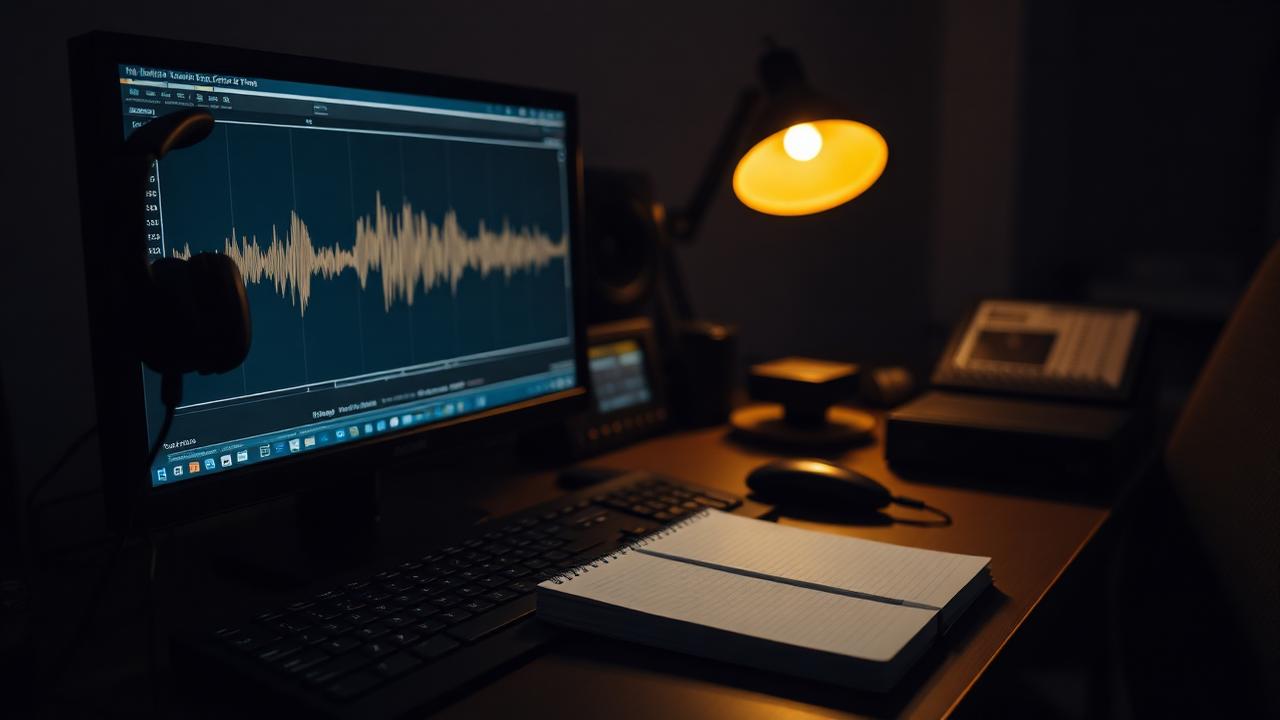
Transcription converts audio or video into timecoded text with a certificate confirming the record is complete as heard. It is used for evidence, board minutes, internal investigations and subtitled video filed with authorities. Sixty minutes of audio normally takes two to four working days depending on audio quality and speaker count.
Who this is for: Law firms, corporate compliance teams, media producers and applicants whose filings include audio or video.
Key facts
| Deliverables | Timecoded text, speaker labels, SRT/VTT files, bilingual versions |
|---|---|
| Standard turnaround | About 2–4 working days per 60 minutes of audio |
| Certification | Company certificate of transcription and translation accuracy |
| Confidentiality | NDA signed and access restricted on a need-to-know basis |
Documents to prepare
- The highest-quality original audio or video file available
- Speaker list with roles, if known
- Glossary of technical terms, company and product names
- Time ranges if only part of the file is required
- Format requirements of the court or authority
- Your own NDA template, if your organisation uses one
How the work actually runs
- 1. Assess the file
Length, speaker count, background noise and dialect are reviewed to set the method and schedule.
Handled by: Operations team · Time: Same day
- 2. First-pass transcription
Timecoded text with speaker labels, keeping the wording exactly as spoken.
Handled by: Transcriber · Time: 1–3 working days
- 3. Audio-checked review
A reviewer replays the full file to correct terms, proper nouns and unclear passages.
Handled by: Reviewer · Time: 1 working day
- 4. Translation and subtitling
Bilingual output with reading-speed-adjusted line lengths, exported as SRT/VTT.
Handled by: Media translators · Time: 1–3 working days
- 5. Issue the certificate
A certification statement records the file duration, date and responsible parties.
Handled by: Translation company · Time: Same day
- 6. Deliver and purge
Files are delivered through the agreed channel and working copies deleted on the agreed schedule.
Handled by: Operations team · Time: As agreed
Why cases get rejected
- Heavily compressed audio that loses intelligible speech
- No speaker list, which leads to mislabelled speakers
- Requesting polished wording where evidence requires verbatim text
- Not specifying the timecode format the court requires
- Sending confidential media over insecure channels
Compare your options
| Option | Use when | Time | Note |
|---|---|---|---|
| Monolingual transcript | Internal minutes or evidence review | 2–3 working days per audio hour | Fastest option |
| Transcript plus certified translation | Filing with authorities or foreign counterparties | 3–5 working days per audio hour | Source and translation aligned line by line |
| Bilingual subtitles | Publication, training or technical submissions | 3–6 working days per audio hour | SRT/VTT delivered, burn-in available |
Frequently asked questions
Do you accept low-quality audio?
Yes, with the limits stated up front. Unclear passages are marked as inaudible rather than guessed.
Can you handle dialects or code-switching?
Yes, in many languages. We assign transcribers familiar with the accent and mark language switches clearly.
Is the certificate acceptable in court?
A company certificate supports many filings, but some courts prescribe a specific format, so tell us the requirement before we start.
How is confidentiality handled?
NDA, need-to-know access, controlled transfer channels and scheduled deletion of working copies.
How often are timecodes inserted?
By default at each speaker change and roughly every 30 seconds, adjustable to the destination's rules.
Can corrections be made after delivery?
Yes, within the agreed revision round. Changes that depart from the audio are recorded as annotations rather than edits.
Do you handle rush jobs?
Yes, by running parallel teams, while still keeping a review pass.
Can you manage the whole chain?
Yes, from transcription and translation to subtitles, certification and packaging for submission.
Transcripts used in filings and litigation must stay verbatim and auditable. Our team formats deliverables the way receiving bodies actually use them, and advises whether the full file or a defined excerpt is sufficient.
Send your documents on LINE for a reviewRather not handle the paperwork? Our advisory team, 15+ years in the field, runs the whole chain for you.
Read next
Official sources
Talk to our advisory team before you start
Our team has over 15 years of experience in translation, certification, and filings with Thai and overseas authorities. We advise on choosing the correct certification route, sequencing your documents, and repairing files that were previously refused.
- A case review before work begins, so you only prepare the documents that are genuinely required
- The correct order of steps from day one, reducing the risk of a refusal and a restart
- A plain explanation of the destination authority's stated requirements as published at the time of advice
- If you would rather not handle it yourself, we run the full process end to end and return the finished file
Final acceptance rests with the receiving authority. Our guidance follows the latest verifiable published practice.