Professional licence certification for doctors, nurses, engineers and teachers
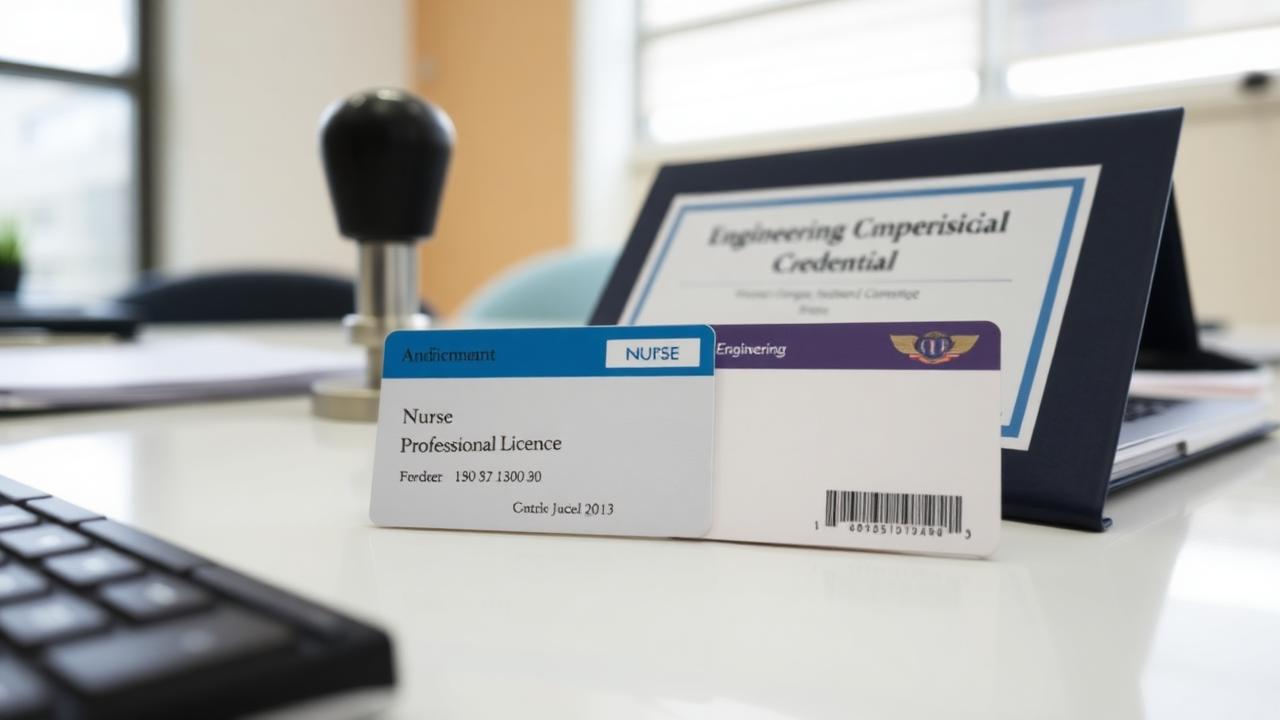
Using a Thai professional licence abroad usually requires three items together: the licence or a certified copy, a good-standing letter from the professional council, and a certified translation. Translation and certification normally take three to seven working days, the council letter follows each council's own procedure, and consular legalisation adds five to ten working days.
Who this is for: Doctors, nurses, pharmacists, engineers, architects, teachers and other licensed professionals registering or working abroad.
Key facts
| Core documents | Licence, council good-standing letter and certified translation |
|---|---|
| Translation and certification | 3–7 working days |
| Consular and embassy | Add 5–10 working days |
| Bodies involved | Your Thai professional council and the destination registration board |
| Preferred format | Direct dispatch from the council, or a fully legalised document set |
Documents to prepare
- Original or certified copy of the professional licence
- Certificate of good standing from the professional council
- Degree certificate and academic transcript
- Passport for name spelling
- Employment verification letters if required
How the work actually runs
- 1. Check destination rules
Confirm the accepted document set and whether direct council dispatch is mandatory.
Handled by: Document consultant · Time: 1 working day
- 2. Request good standing
File the good-standing request with your Thai professional council.
Handled by: Licence holder with our support · Time: Per council procedure
- 3. Translate and review
Translate with correct professional terminology and a second reviewer.
Handled by: Translation team · Time: 3–7 working days
- 4. Certify the translation
Issue the translation certificate and add notarial certification if required.
Handled by: Translation company and attorney · Time: 1 working day
- 5. Consular and embassy legalisation
Complete the chain so the destination board accepts the set.
Handled by: Filing team · Time: 5–10 working days
Why cases get rejected
- Submitting the licence without a good-standing letter
- A good-standing letter older than the destination allows, often three months
- Profession titles translated differently from the destination register
- Missing transcripts needed for curriculum comparison
- Overlooking a mandatory direct-dispatch requirement
Compare your options
| Option | Use when | Time | Note |
|---|---|---|---|
| Certified translation only | The destination accepts a company certificate | 3–7 working days | Fastest option |
| Translation plus good-standing letter | Required by the destination board | Depends on council queue | The most common set |
| Full chain to the embassy | Filing with a foreign government body | 10–20 working days | Allow for embassy queues |
Frequently asked questions
What is a good-standing letter?
A council letter confirming the licence is valid and free of disciplinary findings.
How do you match profession titles?
We use the destination register's own wording and annotate the Thai source term.
Are transcripts needed?
Many countries use them for curriculum comparison, so prepare them early.
Can an expired licence be used?
Renew first; most boards verify status on the filing date.
Is this accepted for overseas job applications?
Yes, employers usually ask for the same set the registration board uses.
Is consular legalisation required?
It depends on the destination; we check before starting so nothing unnecessary is done.
Must the council send documents directly?
Some health registers require it. We help arrange the accepted dispatch route.
What is the total timeline?
Typically two to four weeks depending on council and embassy queues.
Overseas registration usually fails on small details. Our 15+ year team walks the destination checklist before work begins, and can coordinate the council, translation and legalisation for you.
Send your documents on LINE for a reviewRather not handle the paperwork? Our advisory team, 15+ years in the field, runs the whole chain for you.
Read next
Official sources
Talk to our advisory team before you start
Our team has over 15 years of experience in translation, certification, and filings with Thai and overseas authorities. We advise on choosing the correct certification route, sequencing your documents, and repairing files that were previously refused.
- A case review before work begins, so you only prepare the documents that are genuinely required
- The correct order of steps from day one, reducing the risk of a refusal and a restart
- A plain explanation of the destination authority's stated requirements as published at the time of advice
- If you would rather not handle it yourself, we run the full process end to end and return the finished file
Final acceptance rests with the receiving authority. Our guidance follows the latest verifiable published practice.